Jun 01

LPGCD Appoints Hollye Fain to Board of Directors

Posted on June 1, 2026 at 10:19 AM by Claire Marks

LPGCD Appoints Hollye Fain to Board of Director

Woman speaking to an audience with text announcing Hollye Fain’s appointment to the LPGCD Board

The Lost Pines Groundwater Conservation District Board of Directors has appointed Hollye Fain to serve as the Lee County representative on the Board following the resignation of longtime director Sheril Smith. Fain will serve the remainder of Smith’s term, which expires on December 31, 2027.

Hollye Fain is the Public Relations & Communications Director for Aqua Water Supply Corporation and a third-generation water professional with a passion for community engagement and water stewardship. In her role at Aqua WSC, she oversees public outreach, strategic communications, media relations, and member engagement initiatives, helping connect communities with important water-related information and resources.

Hollye brings more than 10 years of experience in communications, nonprofit leadership, and public engagement. Her background includes crisis and drought communications, partnership development, event management, and community relations. 

Hollye has called Lee County home for nearly 20 years and currently lives in Lincoln with her husband and daughter. She earned a Bachelor of Science in Agricultural Communications & Journalism from Texas A&M University and holds a Master of Business Administration from Western Governors University.

“Groundwater is deeply important to me because it directly impacts the health, sustainability, and future of our communities,” said Fain. “Having worked in the water industry and coming from a family with multiple generations in water service, I understand how essential responsible groundwater management is to protecting reliable water supplies.”

“We are excited to welcome Hollye Fain to the Board of Directors,” said Nick Textor, Board President. “Her commitment to the community and interest in groundwater management will be a valuable asset to the District and the residents of Lee County.”

May 26

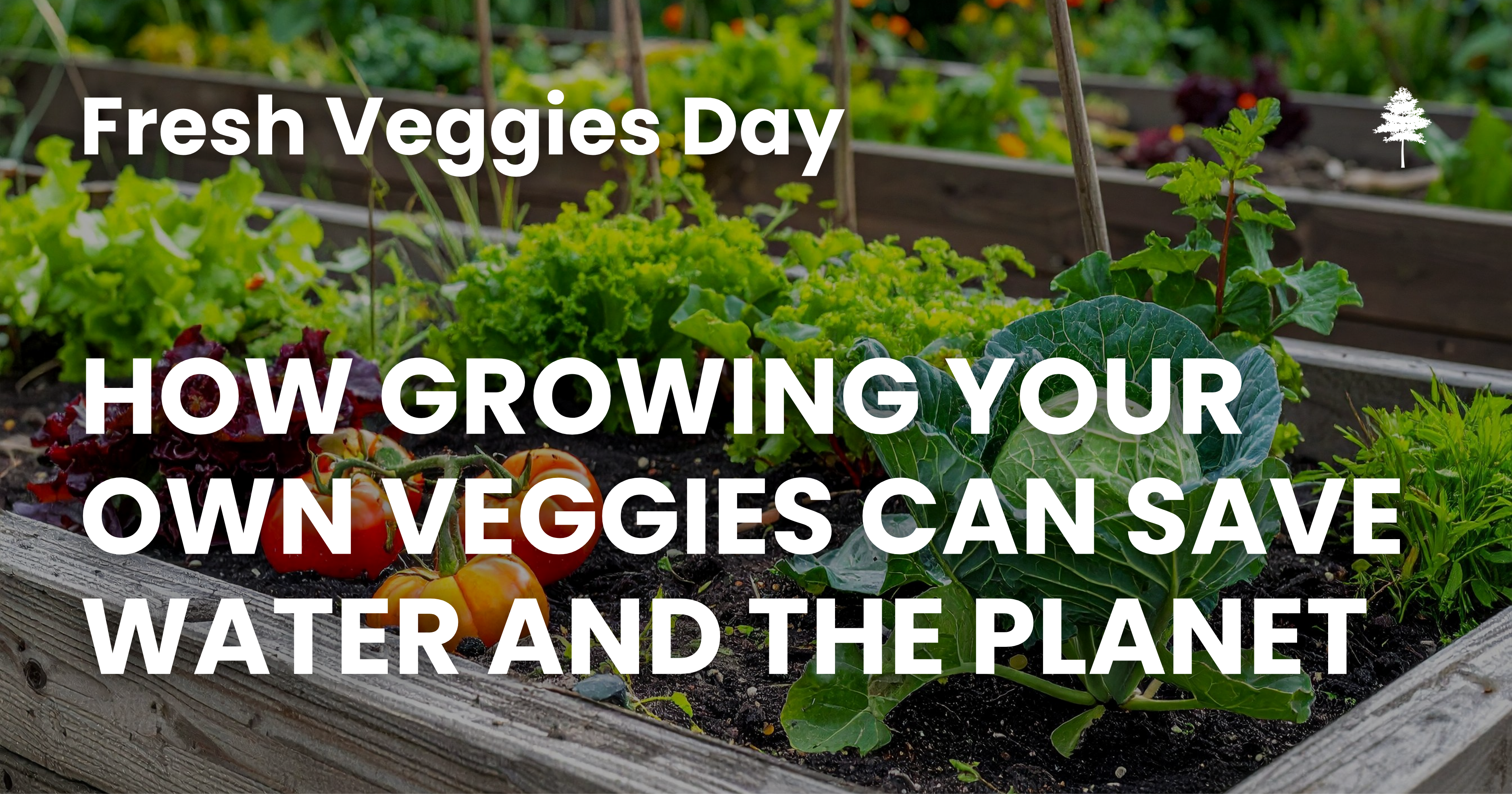
How Growing Your Own Veggies Can Save Water And The Planet
Posted on May 26, 2026 at 11:15 AM by Claire Marks

How Growing Your Own Veggies Can Save Water And The Planet

Vegetable garden graphic with text about growing your own veggies to save water and support the envi

June 16 is Fresh Veggies Day, a great opportunity to recognize how the food choices we make can impact both the environment and our water resources. Did you know the way food is grown, packaged, transported, and purchased can all affect water quality and water conservation efforts? Growing vegetables at home, even in a small garden or raised bed, can help support healthier soil, reduce waste, and encourage smarter water use right here in Bastrop and Lee Counties.

One major benefit of home gardening is water efficiency. Large commercial farming operations often rely on overhead sprinklers or flood irrigation systems, which can lose significant amounts of water through evaporation and runoff before the water ever reaches the plants. Home gardens are more likely to use targeted watering methods like hand watering or drip irrigation, which can reduce water use and help water soak directly into the soil where plants need it most.

Growing food at home can also reduce packaging waste. Many vegetables sold in stores come wrapped in plastic or packaged in single-use materials. When litter enters storm drains and waterways, it can contribute to pollution in creeks, rivers, lakes, and oceans.

Transportation is another factor that connects food and the environment. Many grocery store vegetables travel hundreds or even thousands of miles before reaching store shelves. Transportation contributes to air pollution and emissions that can impact ecosystems and water quality over time.

Home gardening may also help reduce pollution from agricultural chemicals. Large-scale farming operations often rely heavily on fertilizers and pesticides, which can wash into waterways during rainfall events. This runoff can impact wildlife habitats, streams, rivers, and groundwater recharge areas. Home gardeners often have more flexibility to use organic gardening practices and natural alternatives that are gentler on the environment.

Fresh Veggies Day is a reminder that even small gardens can make a positive impact. Growing food closer to home can support healthier landscapes, cleaner waterways, and more sustainable water use in Bastrop and Lee Counties.

Think smart. Save water. Save money.

May 26

How Can Gardening Affect Water Conservation

Posted on May 26, 2026 at 11:15 AM by Claire Marks

How Can Gardening Affect Water Conservation

Purple flowers graphic with text about gardening and water conservation.

The week of June 7 is National Gardening Week, a time to recognize the many ways gardening can benefit both our communities and the environment. Gardening is more than just beautifying a landscape. It can also support pollinators, improve soil health, help reduce runoff, and encourage groundwater recharge right here in Bastrop and Lee Counties.

Smart gardening practices can also play an important role in water conservation during the hot Texas summer months. One of the best ways to garden smarter is by choosing native or drought-tolerant plants. Native plants are adapted to Central Texas conditions and often require less watering once established. These plants are also beneficial for local pollinators like bees, butterflies, and hummingbirds.

When watering is needed, watering early in the morning or later in the evening can help reduce evaporation and allow water to soak into the soil more effectively. This not only helps conserve water but can also improve plant health during periods of extreme heat.

Using mulch in garden beds is another simple but effective conservation practice. Mulch helps soil retain moisture, keeps roots cooler, reduces weeds, and decreases the need for frequent watering. Improving soil health through compost and organic material can also help increase water infiltration and reduce runoff during heavy rainfall events.

Gardeners may also consider drip irrigation systems, which deliver water directly to plant roots and reduce water waste compared to traditional sprinkler systems.

Small changes in our gardens can make a meaningful difference for water conservation, healthier landscapes, and groundwater recharge in Bastrop and Lee Counties.

Think smart. Save water. Save money.