The original item was published from August 12, 2026 11:44 AM to August 12, 2026 11:50 AM
Planting for Resilience
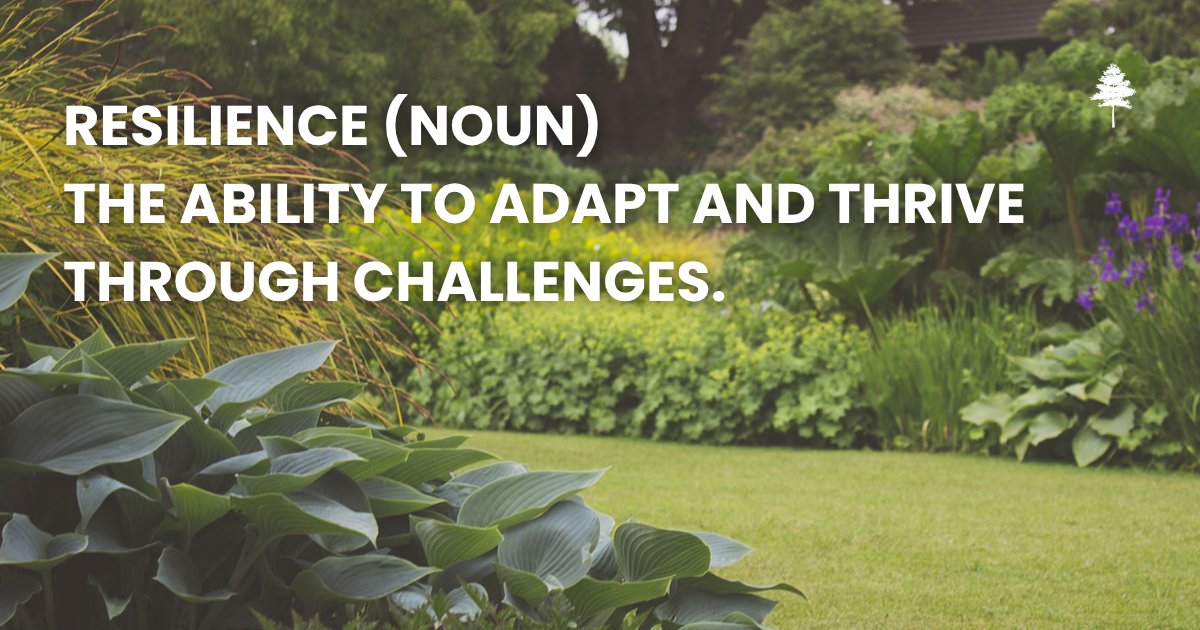
Resilience is the ability to adapt and thrive through challenges. When it comes to landscaping, planting for resilience means creating yards that can handle Texas weather while using less water and requiring less maintenance. Two of the easiest ways to plant for resilience are rethinking the traditional lawn and incorporating more native plants into your landscape. September and October are some of the best months of the year to plant natives in our region. The summer heat is beginning to fade, but the soil is still warm, creating the perfect conditions for roots to grow. Fall planting gives trees, shrubs, grasses, and other plants several months to establish strong root systems before next summer's heat arrives. By the time those hot, dry days return, your plants will already have a head start, making them better equipped to thrive with less supplemental watering. That's what we call planting for resilience.
One of the biggest ways homeowners can plant for resilience is by rethinking the traditional lawn. While Bermuda and St. Augustine grasses create lush green yards, they often require significant irrigation to stay healthy during our long, hot summers. Replacing all or part of these high-water-use lawns with native grasses, native plants, or xeriscaping can dramatically reduce outdoor water use while creating landscapes that are naturally suited to our region.
The best part is that planting for resilience doesn't mean giving up beauty. Native plants have evolved to thrive in Texas conditions over thousands of years and offer colorful blooms, interesting textures, and year-round interest. Once established, they generally require less irrigation, fertilizer, and maintenance than many non-native landscape plants. Their deep root systems improve soil structure by allowing rainfall to soak into the ground instead of running off. This helps reduce erosion, supports groundwater recharge, and makes better use of every drop of rain. Native landscapes also provide valuable habitat and food sources for bees, butterflies, birds, and other wildlife.
There are many beautiful native plants that perform well in Bastrop and Lee Counties, including Texas Lantana, Mealy Blue Sage, Gregg's Mistflower, Little Bluestem, Gulf Muhly, Turk's Cap, and Texas Redbud. Whether you replace a small section of your lawn or completely redesign your landscape, every native plant is a step toward conserving water and building a more resilient community.
To help residents get started, the Lost Pines Groundwater Conservation District is collaborating with the Lee County AgriLife Extension Office and the Texas Water Resources Institute to host a free Healthy Lawns workshop on Monday, September 21, at 6:00 PM at the Lee County Extension Office, 310 S. Grimes St. in Giddings. The workshop will cover practical ways to maintain a healthy lawn while using water efficiently.
The following Monday, September 28, at 6:00 PM, join us at the same location for our Planting for Resilience workshop led by a local Master Gardener. You'll learn how to choose native plants, incorporate them into your landscape, and create a yard that is both beautiful and water-wise. RSVP is required for both workshops, and dinner will be served. To register, call (512) 360-5088 or go to the Healthy Lawns Workshop Registration Form and the Planting for Resilience Workshop Registration Form. We hope you will join us as we explore simple ways to conserve water while creating landscapes that are built to thrive in Bastrop and Lee Counties.
A resilient landscape does not happen overnight. It grows one season, one plant, and one choice at a time. This fall, consider replacing a small section of your lawn with native plants, adding a few drought-tolerant species to your landscape, or attending one of our September workshops to learn how to get started. Small changes today can create healthier yards, healthier aquifers, and a more resilient region for generations to come.